

Designing forever homes is not about predicting the future. It is about respecting reality. Life changes. Bodies change. Families change. The smartest homes are the ones that quietly adapt without forcing crisis driven decisions later.
I know this firsthand.
After a spinal cord injury in 2009, I became quadriplegic. In 2018, I founded Blue Copper Design with one clear belief. Homes should support people through every season of life without sacrificing beauty. Accessibility and good design are not opposites. They are partners.
This philosophy sparked what became my most viewed social media video in 2025. The message was simple and apparently controversial. Building a forever home without accessibility is not smart. The internet had opinions. Hundreds of thousands of views later, one thing became clear. There are still massive misconceptions about what accessible home design actually means.
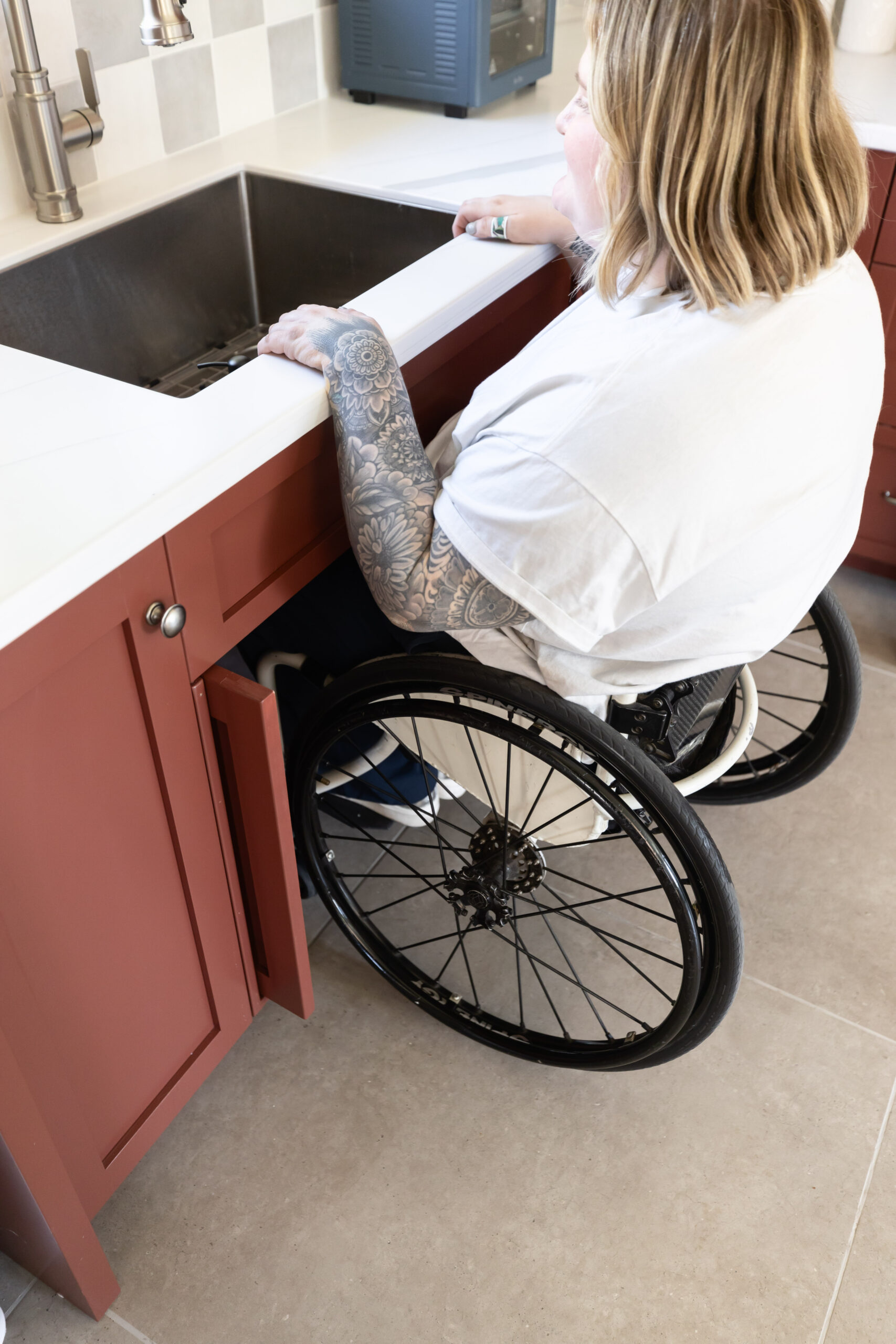
Misconceptions About Accessible Design
Let us address the myths directly.
Many people believe they will never need accessibility. The truth is no one knows what life will bring. The average American will undergo multiple surgeries in their lifetime. Temporary mobility challenges are more common than people realize.
There is also a persistent belief that accessible design is expensive. In reality, prevention is far more affordable than renovation. Designing it right once always costs less than fixing it later.
Some assume they can simply move when their home no longer works. Moving is expensive, emotionally taxing, and not always possible when community and care networks matter most.
Another myth is that accessibility only benefits disabled people. In truth, accessible features are inherently aligned with luxury design. Thoughtful layouts, ease of movement, and intuitive functionality benefit everyone.
And finally, the most outdated myth of all. Accessibility is ugly. None of our projects are ugly. Not even a little.
What Is a Forever Home
A forever home is deeply personal. It is the house people imagine when they picture their future. It is where memories are made, traditions are built, and life happens in all its beauty. A true forever home should also do more than look good in listing photos.
A well designed forever home supports life changes. It reduces the need for future renovations. It maintains beauty and resale value. Most importantly, it allows people to stay safely and comfortably in their homes longer. Forever homes anticipate change so homeowners do not have to react to it later.
The Problem With How Homes Are Built Today
Most homes are designed for a narrow snapshot of life. Able bodied. Young. Healthy. Independent. That works until it does not. Injury, aging, illness, pregnancy, caregiving, or a sudden diagnosis often force homeowners into rushed remodels or premature moves. These moments are stressful enough without having to widen doorways or rip out bathrooms.
The opportunity is clear. Designers and builders can eliminate barriers before they exist and create homes that support independence, dignity, and longevity without sacrificing style. The best time to design for accessibility is before you need it.

Forever Homes Support Life Changes
A well designed forever home supports people through a wide range of scenarios.
Temporary injuries or surgical recovery
Aging in place
Progressive or sudden disability
Changing mobility needs
Multigenerational living
Caregiving at home
Pregnancy and postpartum recovery
Sensory changes
Fluctuating energy levels
These are not rare cases. They are normal parts of life.
Reducing the Need for Future Renovations
Smart forever homes make intentional structural decisions early.
Wider hallway and door clearances
Reinforced walls for future grab bars
Curbless showers
Flexible layouts that adapt without full remodels
Thoughtfully designed kitchens and bathrooms
These choices are nearly invisible when done well. They quietly protect homeowners from costly disruptions later.
Beauty and Resale Value Matter
Accessibility does not reduce resale value. It increases it. Accessible features are integrated, not obvious. Homes feel intentional rather than retrofitted. There is less need for medical looking modifications down the line. Future buyers gain flexibility and options.
Only a small percentage of homes currently include accessible features, yet over a quarter of US adults live with a disability and the aging population is growing rapidly. Demand already exists. Inventory does not. That gap is opportunity.
Staying Home Longer
Forever homes support independence without sacrificing comfort. They reduce the risk of falls, make in home caregiving more manageable and preserve routines, community ties, and emotional stability.
For many people, staying home is not about preference. It is about dignity.

The Hidden Cost of Inaccessible Homes
Renovations are expensive. Accessibility is not.
Emergency remodels triggered by injury or diagnosis often cost more due to rushed timelines. Living through construction during stressful life events takes an emotional toll. Inaccessible homes increase fall risk and reduce independence. Many people are forced to leave homes and communities they love simply because the space no longer works.
Future Proofing Without Fear
Future proofing is not about preparing for the worst. It is about protecting freedom. Great homes evolve quietly over time. Options are built in but only activated if needed. Design decisions empower choice rather than fear. The focus stays on living well now and later.
Conclusion
A forever home is not frozen in time. It is designed to move with you. Designing for accessibility does not mean giving something up. It means gaining peace of mind, flexibility, and longevity. When done right, these homes feel elevated, intentional, and deeply personal.
Design it right once. Your future self will thank you.


