

For years, Instagram has rewarded perfection. Perfect lighting. Perfect styling. Perfectly fluffed pillows in perfectly finished rooms. As designers, we understand the power of a strong visual. Professional photography honors the craftsmanship, the materials, and the months of thoughtful decision making that go into every finished project.
At Blue Copper Design, we will always value beautiful portfolio photography. Finished spaces deserve intentional, clear documentation. However, we have realized that if we only share the polished final result, we are leaving out the most important part of our work.
Accessible interior design is not just about the final reveal. It is about the process. It is about collaboration, education, advocacy, and problem solving in real time. That is why we are shifting our energy on Instagram. We are choosing creating over curating. We are showing more of the behind the scenes, more education, more real life, and more of the grit that defines barrier free design.
This shift is not about abandoning aesthetics. It is about expanding the conversation around what accessible design truly means and how it impacts everyday life.
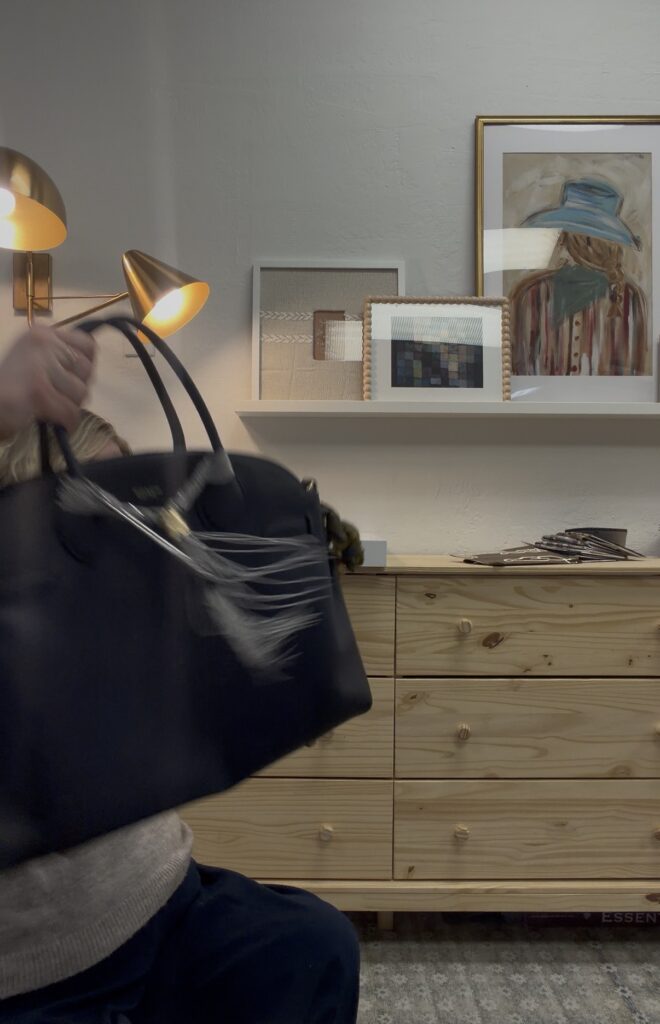
The Difference Between Curating and Creating in Interior Design
There is a significant difference between curating and creating, especially in the world of interior design.
Curating is controlled and highly edited. It focuses on the final product and presents a space in its most polished form. There is nothing inherently wrong with this approach. In fact, curated content plays an important role in inspiring homeowners and showcasing a designer’s portfolio. However, curated content often skips the journey. It eliminates the messy middle, the design revisions, and the nuanced conversations that shape a project.
Creating, on the other hand, is dynamic and transparent. It involves sharing the sketches before the renderings, the material samples spread across a table, and the on site visits where decisions are made in real time. Creating includes honest discussions about what worked, what needed adjustment, and why certain design decisions matter.
When it comes to accessible home design, the process is everything. Accessible interior design requires deep consideration of mobility needs, transfer heights, turning radiuses, reach ranges, lighting levels, flooring transitions, hardware placement, and spatial planning. These details cannot be reduced to a single before and after photo.
By choosing creating over curating, we are inviting our audience into the real work behind inclusive design.
Why Accessible Interior Design Deserves More Transparency
Accessibility in home design is often misunderstood. Many people associate accessible design with institutional aesthetics or minimum code requirements. They think of grab bars, wider doorways, and zero entry showers as isolated features rather than components of a cohesive, elevated design strategy.
While those features are important, they only represent a fraction of what true barrier free design entails.
Accessible interior design is about planning for longevity. It is about creating homes that support independence, dignity, and comfort at every stage of life. It is about anticipating future needs without sacrificing beauty or personal style. When accessibility is integrated from the beginning of a project, it becomes seamless and intuitive.
However, this level of intentionality requires education. It requires explaining why a countertop height was modified, why a hallway was widened beyond standard dimensions, or why lighting placement was carefully calculated to reduce glare and improve visibility.
If we only show finished project photography, we miss the opportunity to educate homeowners, builders, and fellow designers about these decisions. Transparency builds trust. Education builds confidence. And confidence empowers people to invest in accessible renovations and inclusive design solutions.
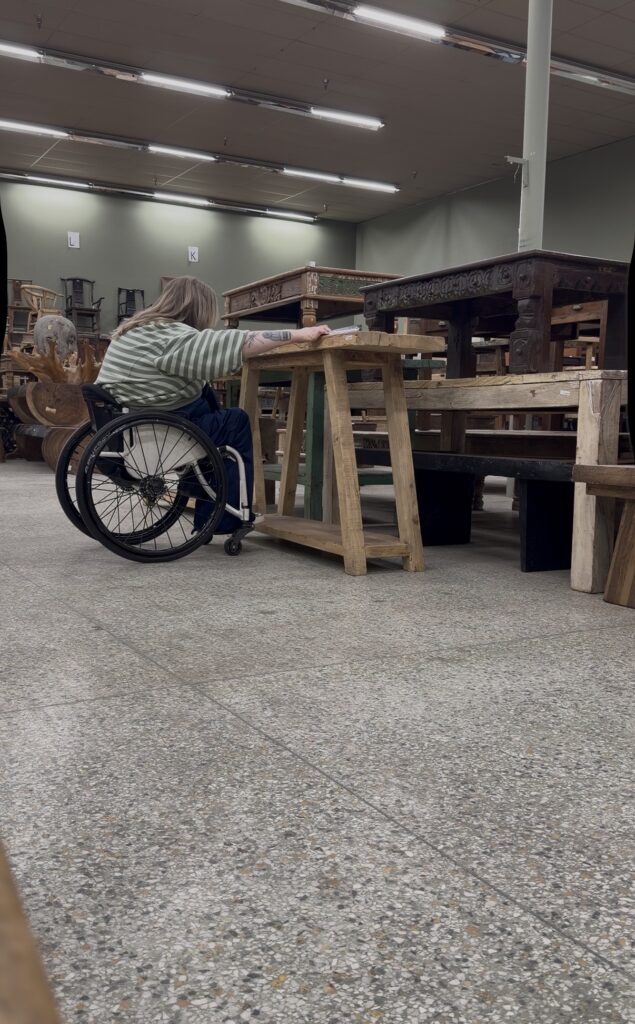
Educating Homeowners About Aging in Place and Universal Design
One of the core pillars of our content shift is education. We want to answer the questions that homeowners are actively searching for online.
What does it cost to renovate a bathroom for accessibility?
How do you design a kitchen that works for a wheelchair user?
What is the ideal transfer height for a bed or sofa?
How can you age in place without making your home look clinical?
What are the principles of universal design in residential interiors?
These are not niche questions. As the population ages and more families navigate disability, interest in aging in place design and accessible home renovations continues to grow. According to national housing trends, more homeowners are prioritizing long term functionality and adaptability in their spaces.
By sharing behind the scenes content and practical insights on Instagram, we are addressing real concerns that homeowners have about remodeling for accessibility. We are demystifying the process and making inclusive design feel achievable rather than overwhelming.
Education also extends to industry professionals. Builders, architects, and designers strengthen their projects when they integrate barrier free principles from the earliest stages of planning. Treating accessibility as an afterthought often creates costly revisions later. Prioritizing accessibility from day one improves both the functionality and long term value of a home.
Showing the Real Life Application of Barrier Free Design
Another reason we are leaning into more real life content is simple. Accessible design is deeply personal.
As a studio rooted in lived experience, we do not approach accessibility as a trend. We approach it as a daily reality. We test ideas, refine layouts, and adjust details in real spaces where people live, cook, gather, and rest.
Real life does not always look like a magazine spread. It looks like a kitchen that accommodates multiple abilities, a bathroom that balances fun tile with a practical layout, a living room where furniture placement allows for easy movement without sacrificing style.
When we share more process driven and behind the scenes content, we normalize accessibility. We show that accessible homes are not sterile or institutional. They layer texture and thoughtful design throughout the space. They reflect personality and lifestyle while supporting mobility and independence.
This representation matters. When people see accessible design presented as elevated and desirable, it changes perceptions. It challenges outdated assumptions and raises the standard for what inclusive interiors can look like.
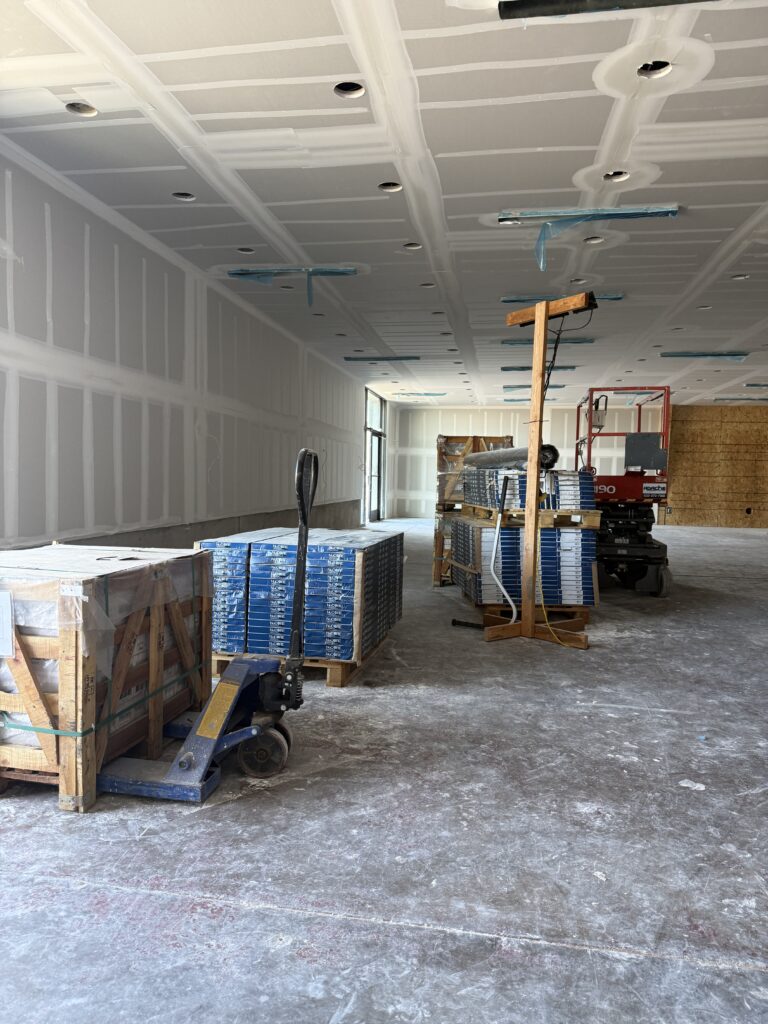
Why This Shift Is Strategic for the Future of Design
Choosing to create more educational and transparent content is not just a creative decision. It is a strategic one.
The design industry has a visibility gap when it comes to accessibility. Many accessible projects are either underrepresented or framed purely in medical terms. That narrative limits both the market and the imagination.
By consistently sharing insights about accessible home design, aging in place renovations, and inclusive interior strategies, we position accessibility as a foundational design principle rather than a niche specialty. We demonstrate that beauty and function are not opposing ideas. They are strongest when developed together.
This approach also attracts aligned clients. Homeowners who value longevity, independence, and thoughtful design resonate with transparent, process driven content. Builders and developers who want to elevate their projects recognize the value of early collaboration around accessibility.
In an era where social media often prioritizes aesthetics over substance, we believe there is room and demand for both. We can showcase refined portfolio photography while also offering depth, context, and expertise.
What You Can Expect Moving Forward
You will still see curated project photography. You will still see finished kitchens, bathrooms, and living spaces that reflect our desert eclectic and modern Southwest influences. Beautiful imagery remains an essential part of our storytelling.
However, you will also see more educational posts about accessible bathroom design, transfer heights, universal design principles, and aging in place strategies. You will see behind the scenes glimpses of site visits, design presentations, and material selections. You will hear more direct conversations about the realities of renovating for accessibility.
By choosing creating over curating, we are committing to a more complete narrative. We are showing not just the final ten percent of a project, but the ninety percent that makes it successful.
Accessible interior design deserves more than a highlight reel. It deserves context, clarity, and conversation. It deserves to be seen as innovative, elevated, and essential for the future of residential design.
The grid may become less filtered. The conversations will become more impactful.
And that is exactly the direction we are excited to move toward.


